


Arthropathy is a degenerative disease of cartilage tissue that can affect the vertebral joints and all bones of the skeleton.The hip joint (HJ) is the largest and most stressed bone joint.Therefore, coxarthrosis (deforming arthropathy of the hip) is a common cause of disability in patients over 50 years of age.
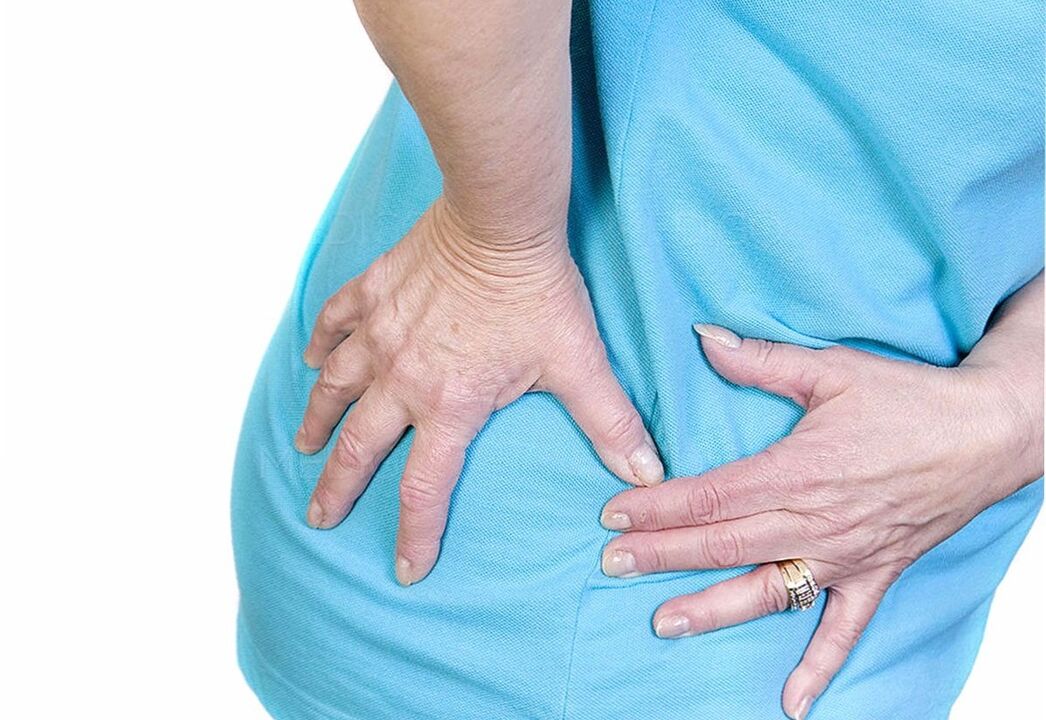
Hip joint (arthrosis of the hip joint): symptoms
reason
The causes of hip joint disease vary.This pathology may cause:
- Age-related chondrodystrophic changes.
- Athletes continue to perform physical activities and carry heavy loads for many years.
- Congenital dysplasia.
- TJ is injured.
- Femoral head necrosis (Perthes disease).
The head of the femur is located in the acetabulum of the pelvis and is covered with elastic cartilage.
There are unilateral lesions (when the disease affects one joint) and bilateral lesions (when both hip joint surfaces are affected).
symptoms of hip arthritis
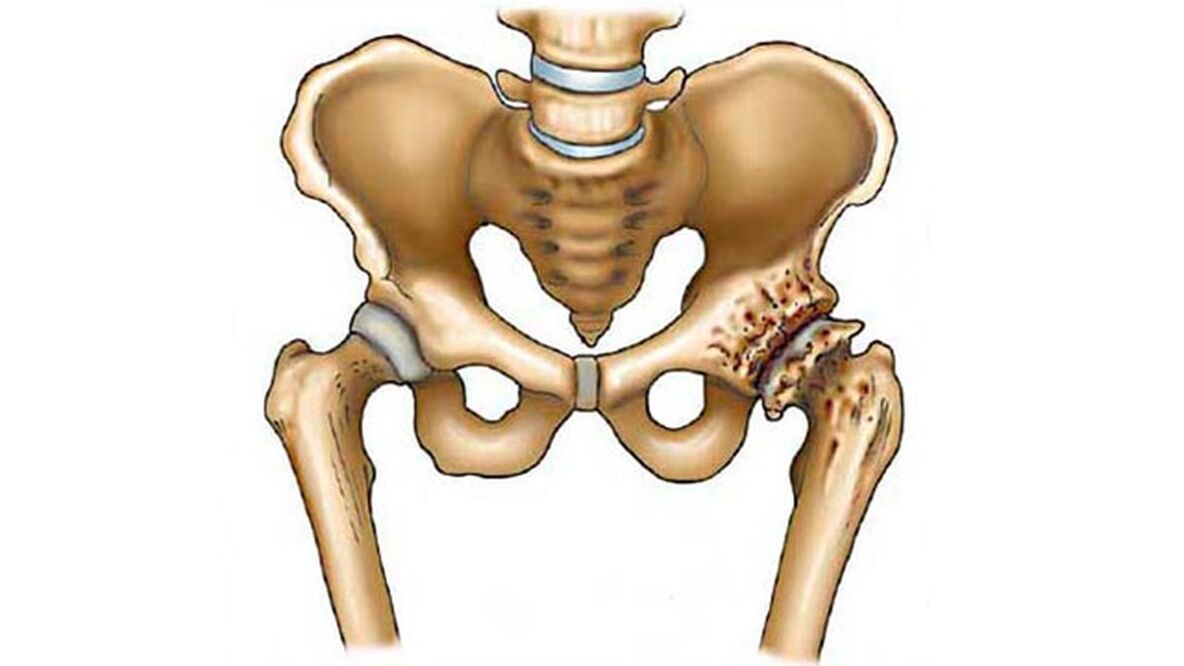
After diagnosis, the following symptoms of the hip joint are observed:
- The cartilage thins, becomes dry and rough.
- The underlying bones thicken and grow sideways.
- Capsular fibrosis and inflammation.
- Inflammatory exudate appears in the capsule.
- The joints become stiff and contracture occurs.
Externally, these changes appear as the following symptoms:
- Joint pain radiating to the groin, hips, and knees.
- The initial (morning) pain symptoms disappear after warming up.
- Stiff, uncertain, limp gait.
- By shortening the leg on the affected side (the cause of which is contracture).
- Femoral muscle weakness and atrophy.
- The joints creaked.
stage of disease
Based on signs and symptoms, three stages of the disease can be distinguished:
First
- Discomfort and pain usually subside with rest.
- There are no external symptoms - lameness, stiffness, atrophy.
These symptoms are not particularly alarming to patients, and few people notice paroxysmal pain, let alone initiate treatment.
But precisely in the initial stages, arthropathy of the hip remains a reversible disease.
second degree
- Pain symptoms become more severe and may persist even at rest.
- Decreased functional characteristics of the hip joint:
- Restriction of hip abduction and internal rotation
- Lameness observed
- X-ray shows:
- marginal osteophytes;
- Head deformation and changes in contour;
- Reduce joint space.
The third stage
- The pain became constant and the most excruciating night pain began.
- The patient was forced to rely on crutches.
- Movement of the hip, thigh, and calf muscles is severely restricted and atrophied.
- The legs are noticeably shortened and limp.
- Due to overgrowth of osteophytes, the joint space is almost lost, and the hip joint becomes fused and completely lost in function.
The first attack occurred quite young - in my early forties.A person is likely to forget and remember it by the age of 50-60, when joint deformity becomes severe and affects quality of life.
diagnosis
Perform X-rays and functional diagnostics.Orthopedic surgeons not only decipher the images, they also rotate and bend the femur in all directions and study symptoms that occur while walking.
Increasingly, however, if a patient is suspected of having hip arthropathy, leading experts turn to magnetic resonance imaging (MRI) for diagnosis.The explanation for this is the absolute safety and high information content of this program.MRI exams can detect the slightest changes in the hip joint at an early stage, helping to develop the most effective treatment strategy.
Hip arthrosis treatment
Treatment is based on the "earlier, the better" principle.
Early hip arthritis can be treated by:
- Chondroprotectant.
- Light physical therapy – swimming, aerobics, walking and cycling.
- Adjustment of the physical load allowed on the joint.
- Weight correction (downward).
- physical therapy
- Extraction program.
- Massage sessions.
- Apply pressure to the painful area.
NSAIDs can relieve pain symptoms.
Annual retreat treatments are also effective.
Intra-articular corticosteroid injections for pain relief may be used to treat later, more severe pain.
Treatment of advanced hip joints is very difficult due to complete loss of the hip joint.Chondroprotectants are absolutely useless in this case.
Various external treatments in the form of ointments and gels can relieve muscle spasms and pain, but of course do not affect the condition of the diseased joints in any way.Therefore, you need to take a smart approach to various advertisements and make sure that by applying ointments to the painful areas, you can quickly forget about the disease.
hip replacement
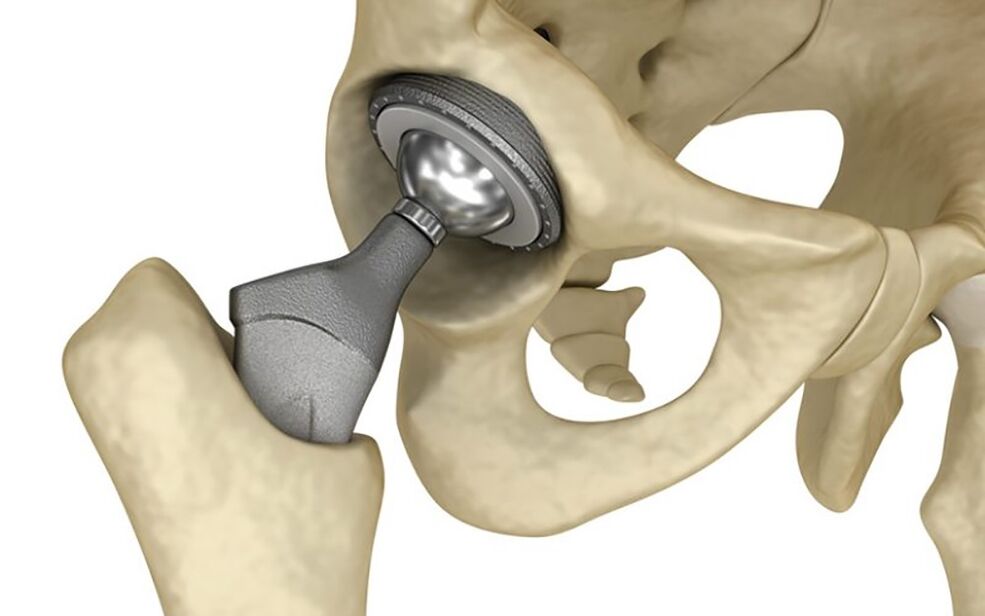
The only option for complete recovery of the hip joint in the third stage of hip arthritis is surgery - hip endoprosthesis (atrophy).
The endoprosthesis consists of two parts: the head and the cup.
This operation is not easy:
- After surgery, a longer recovery period is required.
- Healing of the joint is painful (the pain may last up to a year).
- You will have to walk for some time with a walker or using crutches for support.